Capitalism's Broken Promise
Capitalism crashes regularly, and every time it does, the government must step in to save it. It does not self-correct and fails repeatedly.

Abstract
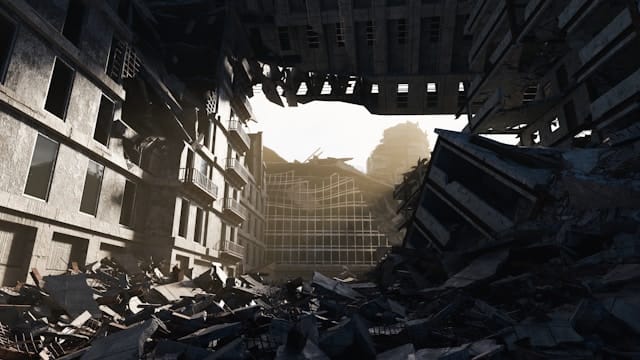
Capitalism crashes regularly, and every time it does, the government must step in to save it. It does not self-correct and fails repeatedly.
Why Capitalism Always Needs a Helping Hand
Picture a Monopoly game that's been going for a while. One person has bought up practically everything, and everyone else is down to their last few dollars. The game is no longer enjoyable, and it grinds to a halt. This is a simple picture of a problem with capitalism. Capitalism is an economic system in which businesses and trade are owned and operated for profit by private individuals, rather than the government.
While capitalism encourages competition and innovation, it has a significant flaw: it is unstable and fails to deliver a stable system. When it's about to collapse, the government has to step in to save it. This isn't a rare accident; it's a regular feature of the system. Suppose it weren't for these government bailouts. Many believe that capitalism would have been seen as a failure long ago.
The Boom and Bust Cycle
One of the most significant problems is the "boom and bust cycle." Companies become overexcited, produce too much, and people borrow excessive amounts of money to buy things. This creates a "boom" period where everything seems great. But eventually, the bubble bursts. This leads to a "bust," or a recession, when people lose jobs and businesses fail.
During a bust, the government often has to act like a parent cleaning up a big mess. They don't do this because they want to, but it is a necessary feature to stabilize the problems of capitalism.
Real-Life Examples of Bailouts
Let's examine just a few instances when this has occurred:
The Great Depression (1930s):
In the 1920s, the stock market was experiencing a period of unprecedented growth. People were making fortunes overnight. Yet in the market crash of 1929, banks failed. Millions of people lost their jobs and were starving. The government needed to maintain social order. To save it, Franklin Roosevelt created a program called the "New Deal," which helped sustain capitalism. It made construction jobs, provided welfare, and implemented better regulations for banks. This government infusion saved capitalism.
The Savings and Loan Crisis (1980s-1990s):
In the 1980s, the government relaxed the banking regulations, allowing them to make riskier investments in pursuit of higher profits. These banks made terrible bets and incurred enormous losses. When they started to fail, people risked losing their life savings. The crisis was spiraling out of control. The government stepped in to close the failing banks and pay back depositors. The final cost to taxpayers was over $130 billion. This demonstrated how private sector risk-taking, with weak regulations, could create a disaster that only the government could rectify.
The 2008 Financial Crisis:
In a simplified version, banks made bets on housing loans. When folks were unable to pay their mortgages, banks started to collapse. The banks were too big to fail. If they had failed, they would have dragged the entire world's economy down with them. So, the U.S. government stepped in with a "bailout." They loaned hundreds of billions of dollars to these banks and car companies to keep them from closing. This was the government using taxpayer money to save private companies from their own mistakes.
Why Can't Capitalism Fix Itself?
In a utopian world, we are told to believe that competition would resolve these issues. A bad company fails, and a better one takes its place. But in reality, some companies become "too big to fail." Their failure would cause so much damage that the government feels it has no choice but to save the failing companies. This creates a dangerous cycle where companies take huge risks, knowing that if things go wrong, the government will likely bail them out.
Conclusion
Think of capitalism as a brilliant but reckless inventor. It comes up with amazing gadgets but keeps setting the workshop on fire. The government is the fire department, always having to rush in to put out the blazes with bailouts. This happens so often that it's clear the system is flawed by design. It's just naturally unstable. If we hadn't had that government fire crew on speed dial, the whole workshop would have burned to the ground long ago.
If you are a paid subscriber, please comment below and/or call me out with facts of areas in the blog that you found incorrect.
 T Jackson
© 2025 Tim Jackson. All Rights Reserved.