Science
Why Space Data Centers Are a Bad Idea With Today’s Technology
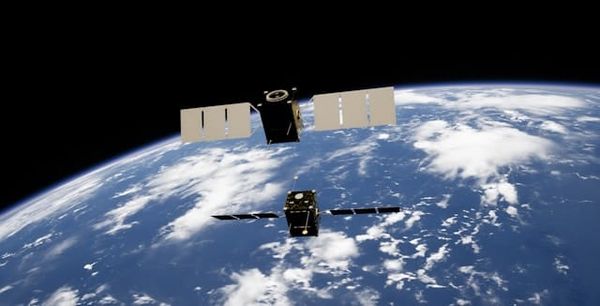
Space data centers sound futuristic, but today’s technology makes them impractical because server heat is far harder to remove in orbit than on Earth.
This section is a science catch-all. I think eventually, most of my blogs will be in the physics domain.

Science
Space data centers sound futuristic, but today’s technology makes them impractical because server heat is far harder to remove in orbit than on Earth.
Science
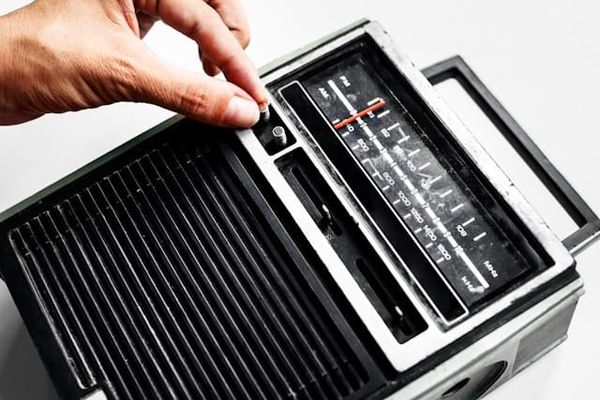
A Persian shortwave spy station (V32) appeared hours after US-Israeli strikes on Iran in 2026, prompting Iranian jamming — proving Cold War radio tools remain relevant.
physics
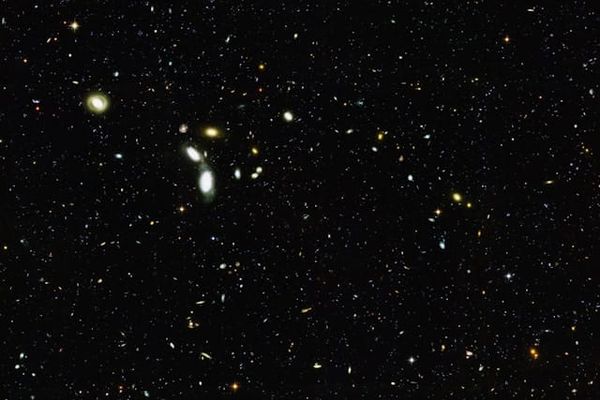
Introduction to One of Science's Greatest Conspiracy Theories Abstract Dark matter is invisible yet shapes the universe. Though unseen, its gravity explains galaxy motion, cosmic formations, and light bending, making up 27% of reality. What is dark matter? Imagine you are trying to figure out how heavy a

Sociology
Doctors cannot always identify biological sex by appearance at birth. Chromosomes, genes, and hormones interact in complex ways. This leaves many people discovering their true label much later in life.

Science
Arctic warming weakens the polar vortex, slows the jet stream, and creates more extreme weather. Natural fluctuations will always exist, but global warming is affecting the entire planet.
physics
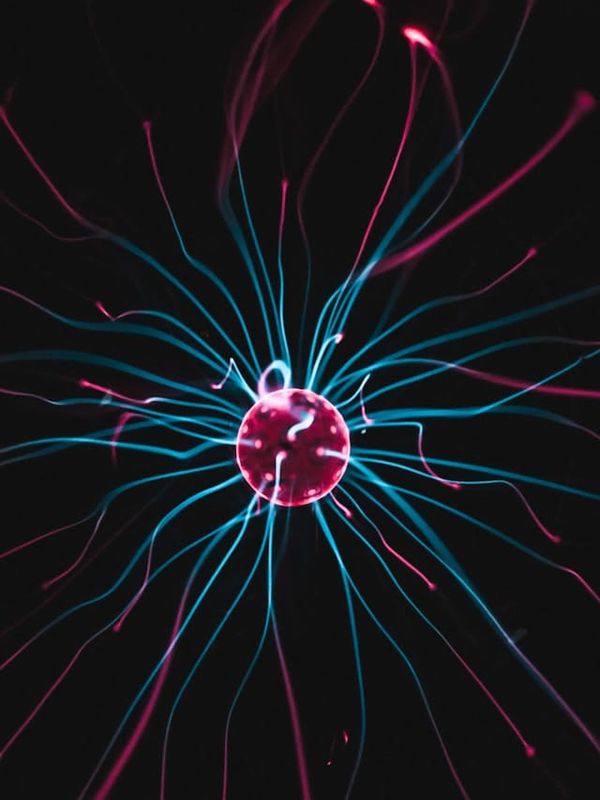
Everything is made of quantum particles, but they constantly interact with the world. This process, called decoherence, hides their weirdness and makes things like cars and basketballs behave in a predictable way.

physics
Transistors work because of quantum effects like tunneling and energy levels.
physics
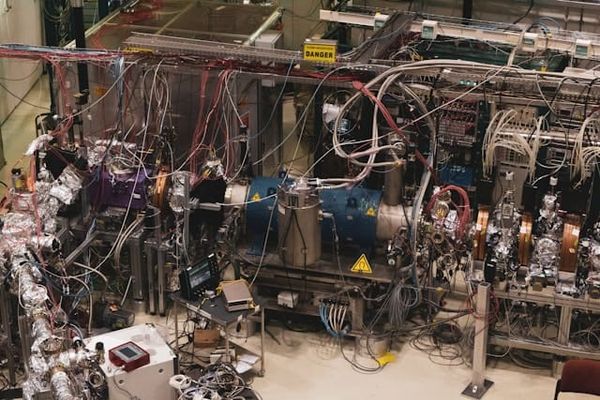
Quantum entanglement, first described by Einstein and colleagues in 1935, puzzled scientists for decades. Schrödinger named it, Bell proved it, and Aspect confirmed it experimentally, leading to today's quantum revolution.
Science
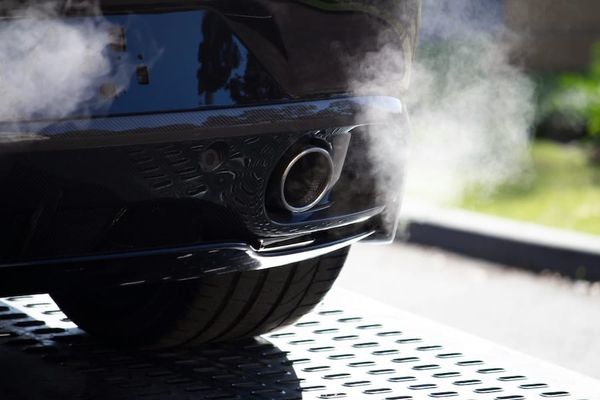
Cars in the USA and Europe produce billions of tons of CO2 yearly. American vehicles average 27 mpg and emit 5.2 tons of CO2 per year, while European cars get 42 mpg and emit 1.8 tons annually.

Science
In 1935, Albert Einstein, along with Boris Podolsky and Nathan Rosen, published the EPR paper arguing that quantum mechanics was incomplete. Decades later, physicist John Bell and experimental scientists proved Einstein was wrong about "spooky action at a distance.”

Science
In 1905, Einstein's "Miracle Year," he published 4 groundbreaking papers that revolutionized physics