Your Next HVAC System Should Be a Heat Pump
Heat pumps move heat instead of burning it, running 300–400% efficient. Modern units handle sub-zero cold, with backup for extremes. Lower bills, steadier comfort, one system year-round.

Abstract
Heat pumps move heat instead of burning it, running 300–400% efficient. Modern units handle sub-zero cold, with backup for extremes. Lower bills, steadier comfort, one system year-round.
Most people replace a furnace the same way they replace a water heater: the old one dies, and a contractor installs whatever is closest to it on the shelf. That reflex is costing homeowners money. Before you sign off on another gas furnace and separate air conditioner, it's worth understanding what a heat pump actually does.
What it is
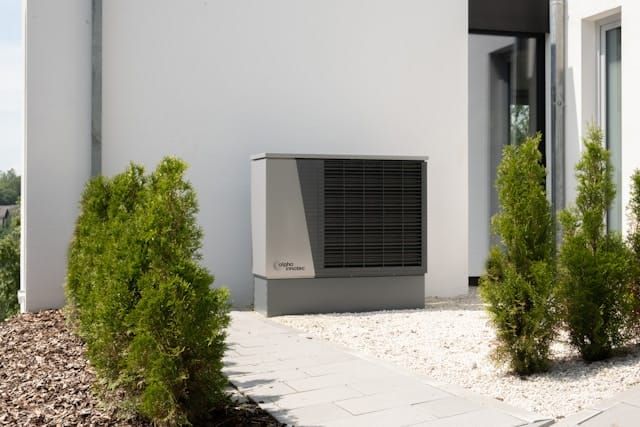
A heat pump is a single system that both heats and cools your home. Despite the name, it doesn't create heat; it moves it. Using the same refrigeration cycle as your refrigerator, it extracts heat energy from outdoor air. It transfers it inside during winter, then reverses direction in summer to pull heat out of your house. Even air that feels frigid contains usable thermal energy, and a heat pump's job is to concentrate and relocate it.
A furnace converts fuel into heat, and the laws of physics cap its efficiency at 100 percent; you never get more energy out than you put in. That ceiling doesn't bind a heat pump, because it's transporting existing heat rather than manufacturing new heat. Typical units deliver three to four units of heat for every unit of electricity consumed, an effective efficiency of 300 to 400 percent.
How it lowers costs over time
This multiplier is where the savings are. The work of moving heat, not for the heat itself. Depending on local electricity and gas rates, most households see meaningful reductions in annual heating costs, and the gap widens as the system runs season after season.
The savings compound in less obvious ways, too. One piece of equipment replaces two, which means one installation, one maintenance schedule, and one eventual replacement instead of two staggered ones. You eliminate combustion: no gas line, no flue, no venting, no carbon monoxide risk, no annual burner inspection. If your utility offers time-of-use rates or you generate solar power, a heat pump lets you heat your home with electricity you're already producing.
Cold weather is no longer an issue
Your grandpa’s objection was legitimate. Old heat pumps struggled below freezing and needed expensive backup electric resistance heat. Since your grandpa's time, engineers and scientists have made huge progress. Newer models use variable-speed inverter compressors and improved refrigerants to maintain full rated capacity at 5°F and continue producing usable heat below zero. New models are on the market that work down to -13°F, and field studies in Maine, Minnesota, and Alaska confirm the units perform as specified through real winters.
When the thermometer really drops
There are places where the math genuinely changes. In the far north, at high altitude, or anywhere overnight lows routinely fall past -15°F, even a cold-climate heat pump eventually reaches a balance point, the temperature at which its output no longer matches what the house is losing. Thin air at elevation compounds this, since lower air density reduces the heat available for the outdoor coil to capture. Manufacturers plan for this scenario by pairing the heat pump with a backup heat source. This is done one of two ways: either gas or electric. Electric uses resistance elements in the air handler. Dual-fuel systems instead pair the heat pump with a gas furnace. The thermostat automatically hands off to gas when outdoor temperatures cross the balance point. In both cases, the heat pump still carries the overwhelming majority of the heating season; backup engages only during the coldest stretches, which in most climates amounts to a small fraction of annual runtime.
Comfort you can actually feel
The efficiency argument gets most of the attention, but comfort is what homeowners notice first. A conventional furnace has one speed: full blast. It fires hard, overshoots the thermostat setting, shuts off, lets the house drift a few degrees, then fires again, a cycle that produces noticeable temperature swings, drafts, and the familiar bang-and-rush of startup. A variable-speed heat pump modulates instead, running anywhere from about 25 to 100 percent of capacity and settling into whatever output exactly offsets the heat your house is losing at that moment. The result is a system that runs long and quiet at low speed rather than short and loud at full power. Temperatures hold within roughly a degree of setpoint instead of swinging two to four. Rooms at the end of long duct runs stay closer to the rest of the house. Because air moves continuously, it passes through the filter far more often, and in cooling season those extended cycles pull out significantly more humidity than a single-stage unit ever could. It is also dramatically quieter at part load, which is most of the time; many units are not really audible from inside. Ask anyone who has switched: the utility bill is the argument that sells the system, but the steady, draft-free comfort is what they actually talk about afterward.
Smart choice
HVAC decisions have a 15 to 20-year lifespan. Installing an old-fashioned combustion furnace today means committing to unstable and dangerous fossil fuel until 2045, in a market where gas rates increase, and electric rates are on track to decrease due to renewable generation. A heat pump hedges against this. This also raises resale value to those in the know and delivers comfort that a single-stage furnace structurally cannot match.
Finally
A heat pump heats and cools with one system by moving heat instead of burning fuel. This makes modern heat pumps more efficient than old-fashioned gas furnaces and lowers operating and maintenance costs. Newer inverter technology has solved the cold-weather weakness that plagued earlier generations. Extreme climates are handled with electric or gas backup that runs only on the craziest, coldest days. Add steady, quiet, draft-free comfort from variable-speed operation, and choosing a heat pump becomes less of an environmental gesture and more of a comfort and sound financial decision.
Buy me a coffee at:
https://buymeacoffee.com/clubtj
Visit my blog at:
https://www.quarkstochlorophyll.blog
© 2025 Tim Jackson. All Rights Reserved.