How Workers with Karl Marx, Stopped Britain from Helping the South and Saved the United States
During the U.S. Civil War, British leaders sought to support the Confederacy. However, Karl Marx and his working-class movement halted them by supporting President Lincoln, thereby altering the war's outcome.

Abstract
During the U.S. Civil War, British leaders sought to support the Confederacy. However, Karl Marx and his working-class movement halted them by supporting President Lincoln, thereby altering the war's outcome.
How Workers in England, Led by Karl Marx, Stopped Britain from Helping the South and Saved the United States
The American Civil War was not just a fight on American soil. It was a world event. The most powerful country in the world at that time, Great Britain, had to decide what to do. The British government, run by a small group of rich and powerful people, an oligarchy, had many reasons to support the Confederate South. If they had, the United States might have been split in two forever. But they did not. The main reason they stayed out of the war was due to the ordinary people of England. These workers were organized and led by the renowned thinker Karl Marx. Through the International Workingmen's Association (IWA) and his powerful writing, Marx helped shift British opinion against the Confederacy. This blog will explain how the British oligarchy sought to aid the South, describe the IWA, and examine its influence on Britain's decision. It will also discuss the interaction between the IWA and President Lincoln, Marx's role in the IWA, and how Marx's writing countered Confederate propaganda.
What the British Oligarchy Wanted to Do
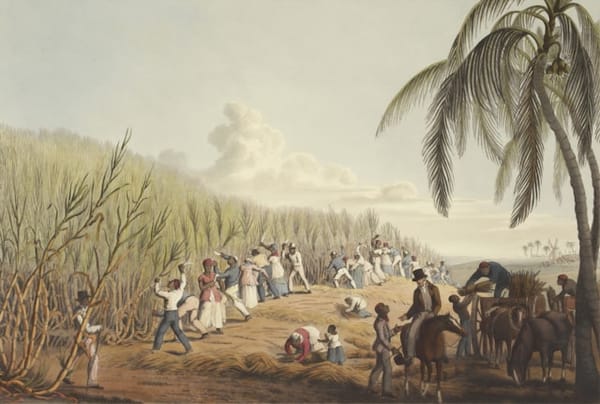
The British oligarchy was the small, wealthy class that ran the government and the country's industries. For them, supporting the Confederate South seemed like a wise business decision. The main reason was cotton. The large textile factories in northern England relied heavily on cotton to operate, and most of this cotton originated from the Southern United States. When the Union Navy blockaded Southern ports, this cotton stopped coming. This was known as the "cotton famine," and it led to the unemployment of thousands of British factory workers. British leaders believed that if the South won its independence, the cotton trade would resume.
Besides money, there was also politics. Many in the British aristocracy liked the South's social structure. It was based on a small, wealthy landowning class that ruled over many workers (in this case, enslaved people). This reminded them of their own society in Britain and seemed more stable to them than the noisy democracy of the North. For these reasons, the government of Prime Minister Lord Palmerston seriously considered officially recognizing the Confederacy as an independent country. Factory owners demanded that Britain's Royal Navy break the blockade by force. This move would have supplied the Confederacy with money, weapons, and crucial international backing.
The IWA and How They Influenced the British Oligarchy
In 1864, workers from different countries formed the International Workingmen's Association in London. Workers could win more by helping each other instead of fighting their battles alone. The IWA included socialists, communists, and other radicals, but it primarily attracted ordinary workers seeking better pay and working conditions.
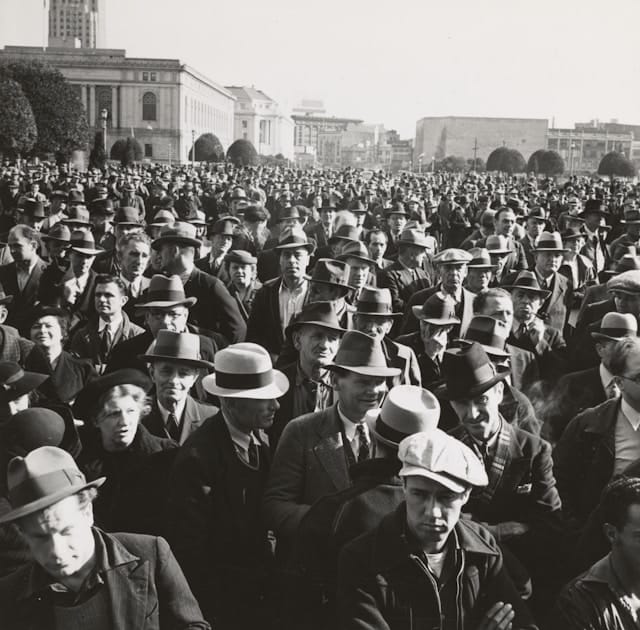
The British oligarchy wanted to help the South, but the IWA mobilized the people who would have to fight the war and do the work—the working class. The IWA helped organize large rallies and meetings in major cities, such as London and Manchester. At these rallies, workers declared their support for the Union and against slavery. They promised that if the British government went to war against the North, they would not support it. This was a massive threat. You cannot fight a battle if your own soldiers and factory workers are against it. British leaders realized they had a problem. If they helped the South, their own workers might revolt. The IWA had made workers too powerful to ignore, so the government stayed out of the war.
Interaction Between the IWA and the Lincoln Administration
In 1865, Karl Marx wrote a letter to President Lincoln on behalf of the IWA. The letter congratulated Lincoln on winning re-election and praised his fight against slavery. The letter stated that the workingmen of Europe viewed the American flag as embodying the destiny of their own class. It said the war to end slavery was as important as the American Revolution.
President Lincoln had his Secretary of State, William Seward, write an official reply. He wrote back, thanking European workers for their support. He told them the fight against slavery mattered for all of humanity, not just Americans. Lincoln's response showed he valued the support from workers across the ocean.
Karl Marx's Position in the IWA
Karl Marx was not the prominent leader of the IWA, but he was its most important thinker and writer. While the other leaders organized strikes and meetings, Marx wrote most of the IWA's speeches and letters as part of the General Council. He demonstrated to British workers that their struggle for improved working conditions and the fight against American slavery were interconnected. His role was to explain the big picture and to guide the IWA's strategy.
How Marx fought Confederate Propaganda
The Confederacy worked diligently to disseminate propaganda to Europe, portraying its cause as noble. They said they were fighting for "states' rights" and freedom from a tyrannical North, just like the American colonists had fought England. They tried to hide that their economy and society were built on slavery.
Karl Marx used his skills as a writer to tear down this Confederate propaganda. In his articles for newspapers, he constantly explained that the root cause of the war was slavery. He called the Southern social system a "slaveocracy," a government run by enslavers. Marx described the war as a battle between two systems: one built on slavery and one built on free labor. His writing made it clear to European workers that supporting the South meant supporting slavery. He convinced them that a victory for the Confederacy would be a victory for the enemies of all working people, whether they were enslaved Black people in America or white factory workers in England. He gave the British workers a moral reason to support the North, even if it meant they went without a job.
Conclusion
The Civil War wasn't only decided on battlefields. British workers played a crucial role in helping the Union win the war. Factory owners wanted to support the South and get cotton flowing again, but the workers refused. Marx, through the IWA, convinced them that ending slavery was the moral thing to do. The British oligarch, fearing a revolt, decided to stand down. The IWA's loud support for Lincoln, combined with Marx's articles, handed the Union the critical edge it needed.
© 2025 Tim Jackson. All Rights Reserved.