Net Zero Homes

Abstract
Net-zero homes use solar panels to make electricity and batteries to store energy. They help people save money on bills and help protect the environment.
What Is a Net-Zero Home?
A net-zero home is a type of house that produces as much energy as it consumes, resulting in zero net energy usage. These homes typically utilize solar panels to generate electricity from sunlight. The houses use electricity to power and heat the home. On sunny and even partially cloudy days, the solar panels make more electricity than the house needs. During these times, the extra energy can be stored in batteries or sent back to the electric company for use elsewhere. At night or on cloudy days, the house uses the stored energy or gets some from the power grid. Over the course of a year, the home generates as much energy as it consumes.
How Much Does It Cost?
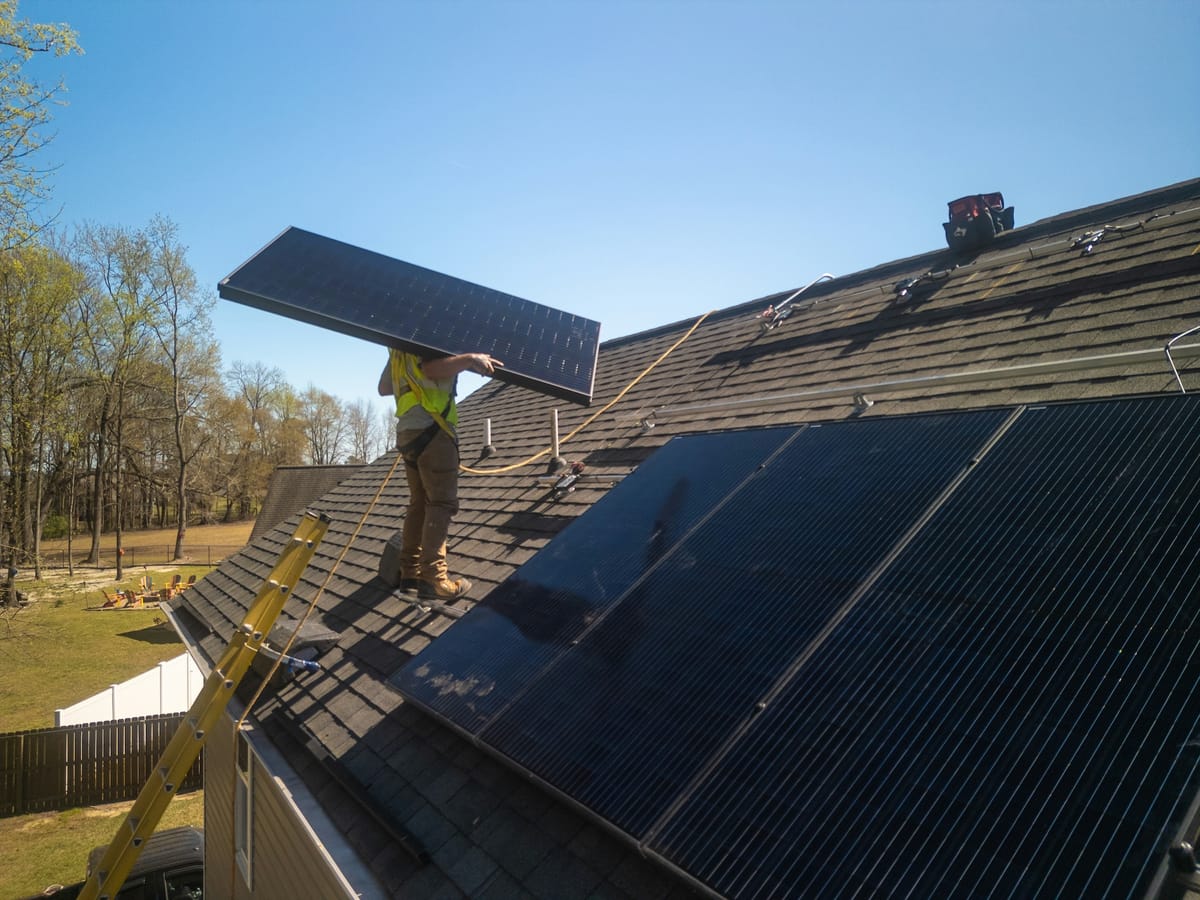
Converting a regular home to an all-electric net-zero home does cost money upfront. One expense is replacing things such as gas furnaces, water heaters, and stoves with their electric ones. Converting a traditional gas-heated home to electric costs between $15,000 and $40,000. Either before or after comes the solar panel system. A typical home requires approximately 20 to 30 solar panels to generate enough electricity. Installing solar costs between $15,000 and $30,000 before any tax credits or discounts. Depending on size, battery storage adds another $10,000 to $15,000. Adding all the costs associated with achieving net-zero can cost between $40,000 and $85,000. By spreading out the changes, this amount can be distributed over time or several years.
How Much Can You Save?
Once your home is net-zero, the savings begin to accumulate quickly. Most families save between $1,500 and $3,000 every year on their energy bills. Some families save even more if they live in places where electricity is expensive. Over 20 years, these savings can add up to $30,000 to $60,000! This means that even though it costs money to set up a net-zero home, you get that money back over time through lower bills. Many homeowners find that their solar panels and electric systems pay for themselves in 10 to 15 years. After that, all the savings are profit. Additionally, net-zero homes tend to have higher property values. Your home becomes more valuable because buyers know they won't have to pay much for electricity.
Helping the Environment
The most beneficial aspect of net-zero homes is their positive impact on the environment. Traditional homes get their electricity from power plants that often burn coal or natural gas. When these fuels burn, they release carbon dioxide and other harmful gases into the air. These gases trap heat in our atmosphere, increasing global warming. A typical home generates approximately 7 to 10 tons of carbon dioxide annually solely from the use of electricity and gas. Net-zero homes don't create these harmful gases because they run on clean energy from the sun. By switching to a net-zero home, your family can prevent tons of pollution.
Going Net-Zero Is the Right Choice
Choosing a net-zero home is one of the best decisions a family can make. Yes, it requires an upfront investment, but it is worth it. You save thousands of dollars on energy bills, increase your home's value, and become independent from rising electricity prices. You're also doing something amazing for the environment by reducing pollution and contributing to the fight against climate change. Net-zero homes are comfortable, modern, and reliable. They use the latest technology to keep your family warm in winter and cool in summer, all while using clean energy from the sun. Each year, technology continues to improve and become more advanced. Going net-zero isn't just good for your wallet; it is good for the environment—it's a choice that benefits your family, your community, and future generations. The future is bright, and it's powered by the sun.
Credit where due:
https://grcsolar.co.uk/solar-panels/
https://www.solarpowerauthority.com/a-guide-to-solar-costs-should-i-lease-or-buy/
https://askcorran.com/how-does-a-roof-replacement-with-solar-panels-work/
https://reason.com/1990/01/01/keep-your-cool/
https://www.nbcnews.com/news/world/world-leaders-pledge-protect-https://www.homeconstructionimprovement.com/tag/diy-project/
https://comparehomequotes.ca/ev-charger-installation/
https://www.realty.com.au/sold/house-21-princes-avenue-longwarry-vic-3816-2303648
https://openspacesfengshui.com/blogs/feng-shui/how-to-create-a-harmonious-outdoor-space-with-portable-solar-panels-a-feng-shui-approach
https://businesstl.com/why-robotics-is-the-future-of-industrial-manufacturing/
© 2025 Tim Jackson. All Rights Reserved.