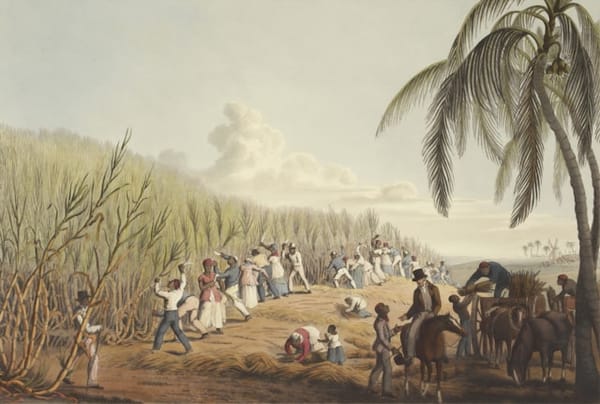
The Logic of Pride and Guilt: Why We Can't Have It Both Ways
If we refuse to feel guilty for our ancestors' misdeeds, we should also avoid feeling proud of their achievements. Selecting only the feelings we prefer lacks logical coherence.

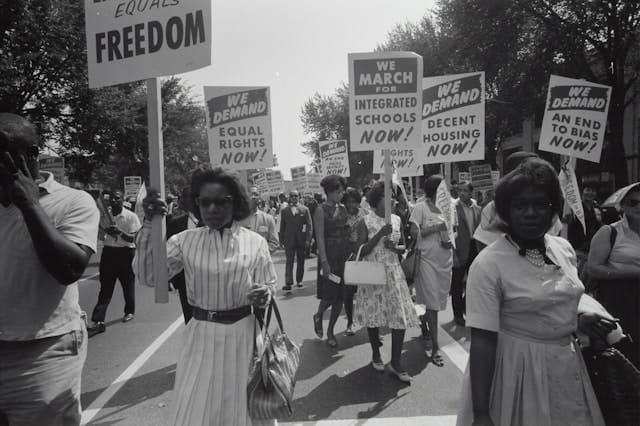
Abstract
If we refuse to feel guilty for our ancestors' misdeeds, we should also avoid feeling proud of their achievements. Selecting only the feelings we prefer lacks logical coherence.
Many people say they're proud of their country, family, or ancestors. Most of us have felt this at some point. Imagine a parade with families, kids laughing, a marching band playing, the smell of hot dogs, and flags waving. Or picture a family reunion where people share photos and stories about grandparents while enjoying apple pie. Feeling proud of your roots is a normal part of life.
Many of these same people say we shouldn't feel guilty for what our ancestors did, since we didn't do those things ourselves. How can we be responsible for choices made before we were born? They also think that being proud of our shared history brings people together, which is good. But we should ask if this unity is worth losing logical consistency.
The issue is that we can't believe both things at once without contradicting ourselves. If we say we shouldn't feel guilty because we weren't involved, the same logic should apply to pride. 'Moral credit and blame both need personal agency.' Personal agency means having the power to influence or control actions. Actions tie both pride and guilt. Since we didn't take part in our ancestors' achievements, we can't claim their glory any more than we can claim their guilt.
Some people think that sharing a culture or identity gives us a reason to feel proud of the past. They believe being part of a group connects us to its successes and failures. For example, many Indigenous communities are proud of their heritage. Passing down traditions, languages, and ways of life gives them strength and identity. With this pride comes a duty to remember the injustices their people faced. These ideas help build community, but they also raise the question of what truly connects us to the past and what reflects only our preferences. This is the challenge that this blog wants to highlight.
Think of a student working on a group project. If the project receives a high grade, the student claims credit for the presentation and emphasizes their role in the success. But if the project fails, the same student blames the writer or the researcher for the problems. This is hypocritical, since they only want to be part of the group when it benefits them. We sometimes act the same way with our ancestors and our history.
Three reasonable options:
The first option is to accept both pride and guilt. This helps us face past injustices and celebrate real achievements. It depends on our shared memory and sense of responsibility. This can help build a society that is more aware of its history and more committed to justice and progress.
"Radical Individualism" is the second option. This means letting go of both pride and guilt and seeing ourselves as separate from our history. It puts personal choice above past identity. This view could lead to a society that focuses more on individuals, with less collective blame or pride. It might also ignore important historical patterns that still affect us today.
Focusing on "Radical Individualism" misses how past systems shape our society. They influence financial and racial inequalities. Individualism can reduce the importance of working together to solve these problems. Some believe that 'Radical Individualism' values personal freedom. It encourages people to challenge systems through their own choices. People should support change without feeling burdened by collective guilt. This approach helps people see and tackle these issues. It encourages them to take responsibility, support justice, and help society move forward.
The third option is 'Reflective Responsibility.' This is the best path, supported by education and local communities, to build a better future. It lets us recognize the past without getting stuck in it, making progress and understanding possible. To practice 'Reflective Responsibility,' you can join discussions about past and present issues. Volunteering with local groups helps you gain real experience. It also lets you make a real difference in social issues.
If we want to be logical, we can't pick what we like. We can't celebrate our country on national holidays and ignore its complicated past. If pride is something we share, why not guilt? This question helps us think about both sides of our history. Remembering this helps us maintain focus and reason with consistency.
We often see people connect themselves to success and distance themselves from failure. For example, a sports fan might celebrate and feel proud when their team wins, but blame the players, coaches, or referees when the team loses. This shows the same inconsistency in choosing when to identify with a group. The same thing happens with managers who take credit for team successes but blame employees when things go wrong. This also shows the inconsistency of only claiming ownership when things go well.
When people use this kind of flawed logic, we should ask whether they fail to see the contradiction or wish for others not to notice it. We need to be consistent in our thinking. If we want to connect with the past, we have to face all of it: the good and the bad, the heroes and the villains, the progress and the setbacks. Misinformation often leads to this inconsistency. We also tend to forget the uncomfortable parts of our history. When someone tells a biased story, they leave out essential truths and create the same contradiction. We can fix this by looking for the whole story, even the complex parts. By filling in these gaps, we gain a better understanding. This is how we learn from the past and build a better future.
Being fair about our history isn't about feeling guilty. It's about being honest, learning from both the good and the bad, and making sure we don't repeat past mistakes.
You can start by learning from different trusted sources instead of one. Join local discussions about history and current issues. You can also volunteer for or support groups that work to solve ongoing problems from the past.
These steps help turn ideas into action and build a more honest connection to our history. They make us ask: when future generations look back, what will they think we did right? This question pushes us to act now and leave a legacy we can be proud of.
References:
- https://www.frontiersin.org/journals/psychology/articles/10.3389/fpsyg.2022.848644/full
- https://holocaustcenterseattle.org/images/Education/TomWhite-TheUSandRacismessay1-compressed.pdf
- https://link.springer.com/article/10.1186/s41257-025-00138-6
- https://www.historians.org/perspectives-article/history-memory-research-and-the-schools-a-report-on-the-pittsburgh-conference-march-1999/
- https://link.springer.com/article/10.1186/s12889-022-14603-w
- https://www.sciencedirect.com/science/article/pii/S0191886924000096?via%3Dihub
- https://en.wikipedia.org/wiki/Historicalnegationism
- https://www.amazon.com/Individualism-Social-Order-Routledge-Frontiers-ebook/dp/B000OI0K8U/ref=sr11?crid=25URWE615IRNQ&dib=eyJ2IjoiMSJ9.bHTXBb36OGYtLQnP4P1mw.ZLtzTQtSnhvZ4U8wiFruBsATjJco8TBI3oZkFGw58g&dibtag=se&keywords=Individualism+and+the+Social+Order+The+Social+Element+in+Liberal+Thought&nsdOptOutParam=true&qid=1765647155&sprefix=individualism+and+the+social+order+the+social+element+in+liberal+thought%2Caps%2C94&sr=8-1
- https://kevinmd.com/2025/01/tobaccos-time-warp-how-centuries-of-smoke-obscured-our-future.html
- https://www.nature.com/articles/s44271-025-00329-z
- https://www.mdpi.com/2409-9287/10/3/62
- https://link.springer.com/article/10.1007/s10670-025-00998-6
- https://www.frontiersin.org/journals/behavioral-economics/articles/10.3389/frbhe.2025.1494271/full
- https://www.cambridge.org/core/journals/episteme/article/collective-amnesia-as-an-epistemic-injustice/C975CE3A3F0B9490692F9CEA5D871AD3
Buy me a coffee at:
https://buymeacoffee.com/clubtj
Visit my blog at:
https://www.quarkstochlorophyll.blog
© 2025 Tim Jackson. All Rights Reserved.