Pumped Hydro: Turning Intermittent Renewable Energy into Reliable Power
Pumped hydro stores excess wind and solar energy as water at height, releasing it when needed to deliver reliable, low-carbon baseload power for modern electric grids.

Abstract:
Pumped hydro stores excess wind and solar energy as water at height, releasing it when needed to deliver reliable, low-carbon baseload power for modern electric grids.
We depend on electricity at home, in hospitals, factories, or data centers. We call this constant electricity supply the baseload. In the old days, it came from coal, gas, and nuclear plants. While wind and solar energy are becoming more common. They depend on the weather, which can make their output forecastable, but does not have the always-on 100% characteristic. Pumped hydroelectric storage, or pumped hydro, is one of the best ways to achieve a near-baseload characteristic.
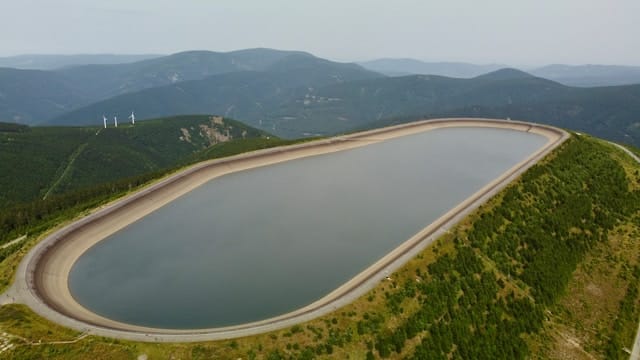
Pumped hydro acts like a huge battery that uses water and gravity. It uses two reservoirs at different heights. When there is extra electricity from wind or solar, the system pumps water from the lower reservoir up to the higher one. When we need electricity, the water flows back down through turbines, generating power like a hydroelectric dam.
This system is simple, reliable, and highly efficient. Pumped hydro plants can store enough energy for days. The round-trip efficiency, which compares the energy you get out to what you put in, is usually between 70% and 85%. This makes pumped hydro a strong competitor for large-scale energy storage.
Pumped hydro works great with renewable sources like wind and solar. Once married, they can create a near-constant supply of electricity. Wind turbines often generate the most power at night, when demand is low, while solar panels produce the most during the day. When they create more energy than the grid needs, they pump water uphill for later use.
When demand rises, like in the evening when people return home, cook, and turn on lights, the system releases stored water to make electricity. This helps even out the highs and lows of renewable energy and gives us steady power when it matters most. In this way, pumped hydro makes variable energy sources more reliable.
Pumped hydro is also very reliable. It does not need fuel deliveries like fossil-fuel plants, and it remains stable over time. Many pumped hydro plants have run for over 50 years. With good maintenance, they can keep going even longer. The long life makes pumped hydro an excellent choice for long-term energy planning.
Pumped hydro also helps stabilize the electricity grid. The grid must always balance supply and demand. If supply drops sharply, demand jumps, or the grid has an excess, the grid can become unstable. Pumped hydro plants can increase or decrease their power output or store energy within a few minutes. This fast response helps prevent blackouts and instability. Thus, they reduce the need for fossil-fuel "peaker plants" that run only during periods of high demand.
Newer designs use closed-loop systems with two man-made reservoirs, often built away from natural rivers. These systems work well in hilly or mountainous areas. They usually cause less environmental harm than traditional dams.
When we combine wind, solar, and pumped hydro, they create a strong energy system that acts as a baseload. Wind and solar give us clean, affordable electricity when the weather is right. Pumped hydro stores any extra energy and releases it when needed. The grid now works as a team. It combines generation, storage, and demand rather than relying on a single power source.
In summary, pumped hydro is a key tool for building clean and reliable energy in today's world. By combining it with renewable energy sources, we can create a system that delivers steady power while protecting our home planet. Adding pumped hydro to the collage shows that near-baseload power does not have to come from a single source. Clever storage, careful planning, and various technologies can help us meet today's energy needs.
Read about Wind Power Myths:
https://www.quarkstochlorophyll.blog/windpowerissmarter/
References:
- https://www.energy.gov/eere/water/articles/new-analysis-reveals-pumped-storage-hydropower-has-low-global-warming-potential
- https://en.wikipedia.org/wiki/Pumped-storagehydroelectricity
- https://www.mdpi.com/1996-1073/16/11/4516
- https://openresearch-repository.anu.edu.au/items/e585efa0-ee82-4f86-842e-1d241c972e04
- https://www.anl.gov/esia/pumped-storage-hydropower-benefits-for-grid-reliability-and-integration-of-variable-renewable-energy
- https://www.hydro.org/wp-content/uploads/2021/09/2021-Pumped-Storage-Report-NHA.pdf
- https://www.pnnl.gov/publications/comparison-environmental-effects-open-loop-and-closed-loop-pumped-storage-hydropower
Buy me a coffee at:
https://buymeacoffee.com/clubtj
Visit my blog at:
https://www.quarkstochlorophyll.blog
© 2025 Tim Jackson. All Rights Reserved.